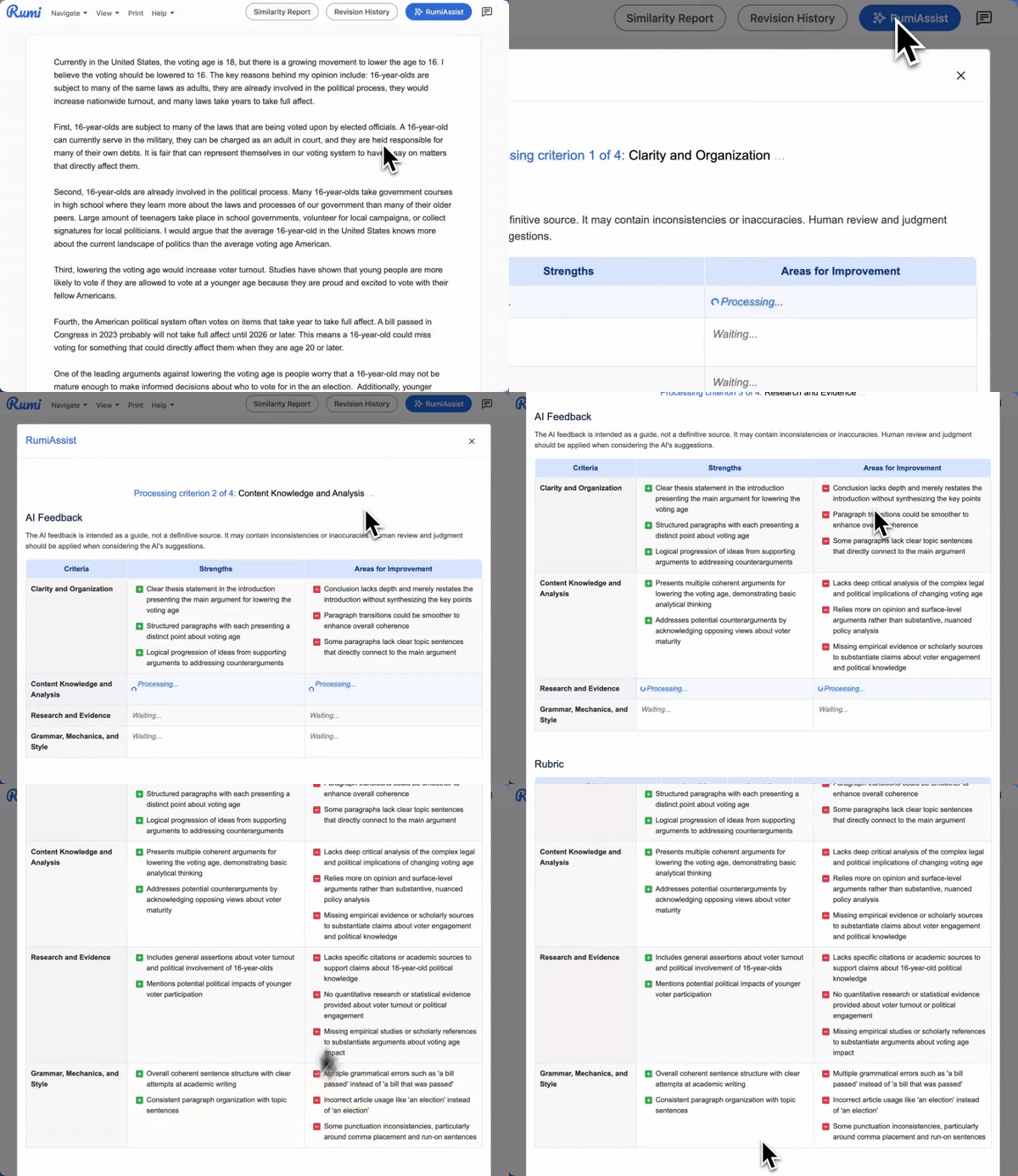
Rubrics and RumiAssist
Intro
Rubrics play a key role in setting clear expectations between instructors and students. They outline the intended learning outcomes, define evaluation standards, and communicate grading criteria transparently.
For students, rubrics provide clarity on how their work will be assessed, reducing uncertainty and supporting self-improvement. For instructors, rubrics create consistency and fairness in grading, making the evaluation process more efficient and objective.
Main Functions
Creating Rubrics
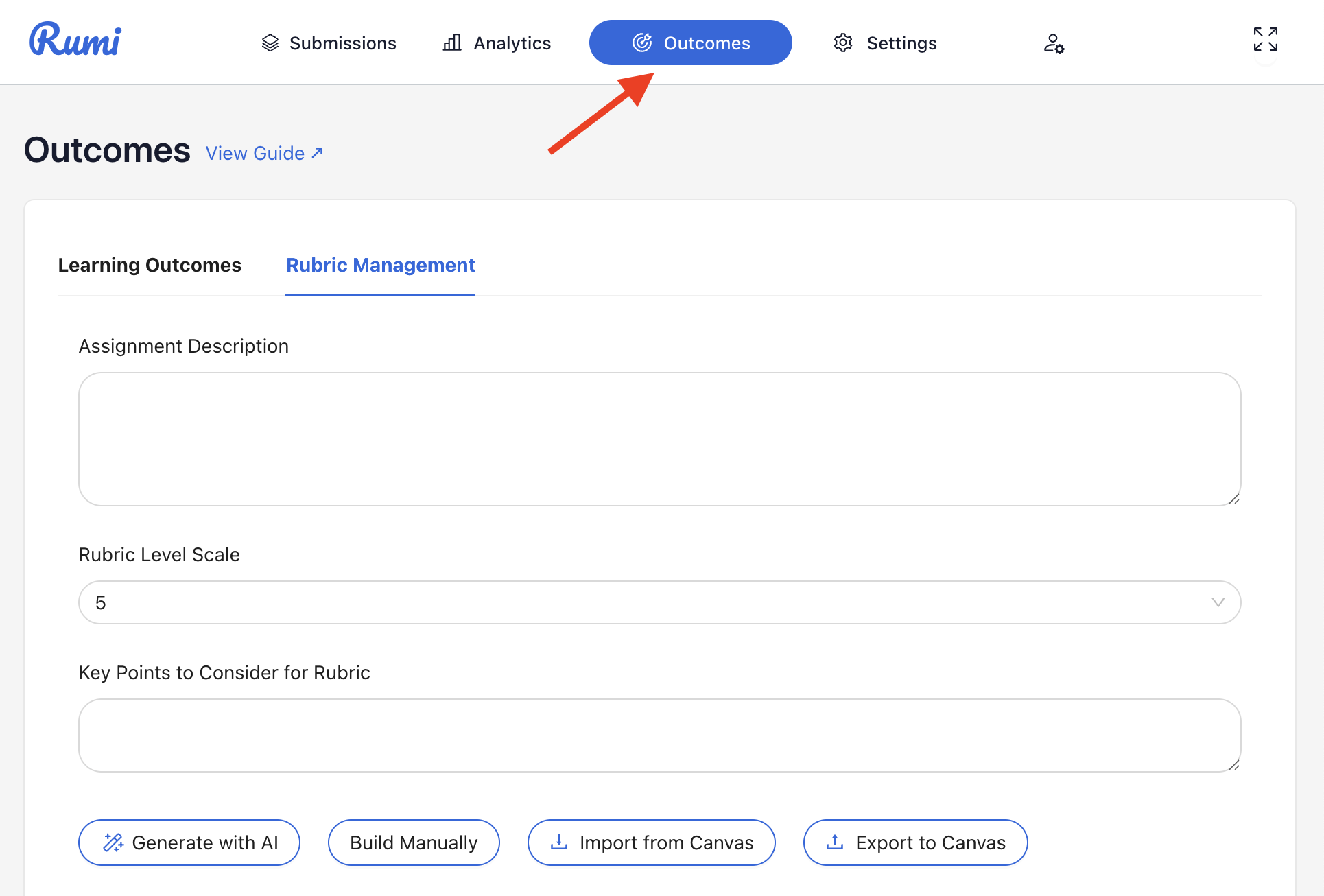
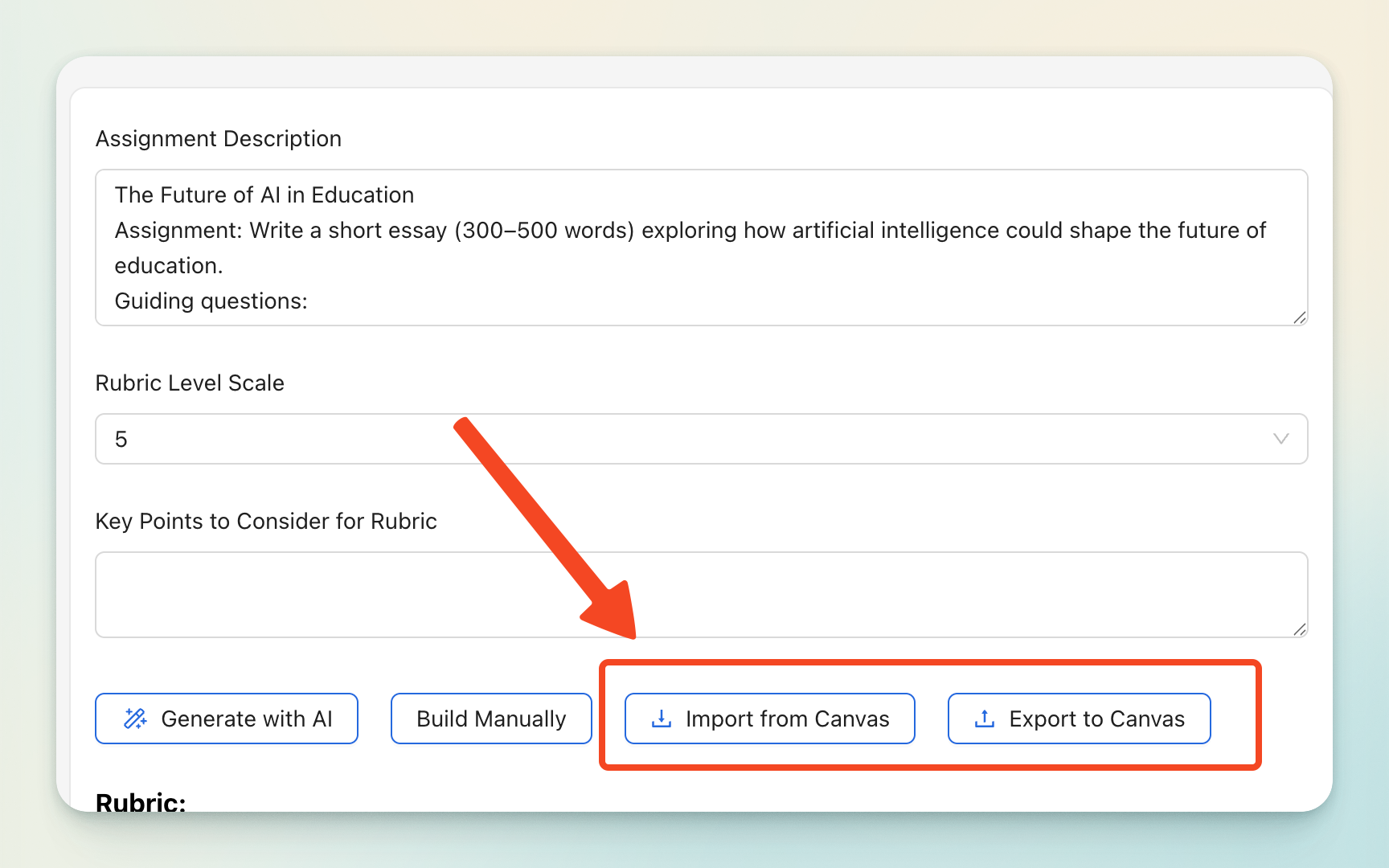
To create a rubric, click on the “Outcomes” option in the Rumi dashboard. Then navigate to the “Rubric Management” tab, where you can either use AI to generate a rubric automatically or build one manually for greater customization.
If you use Canvas LMS, you also have the option to import a rubric directly from Canvas.
Generating with AI
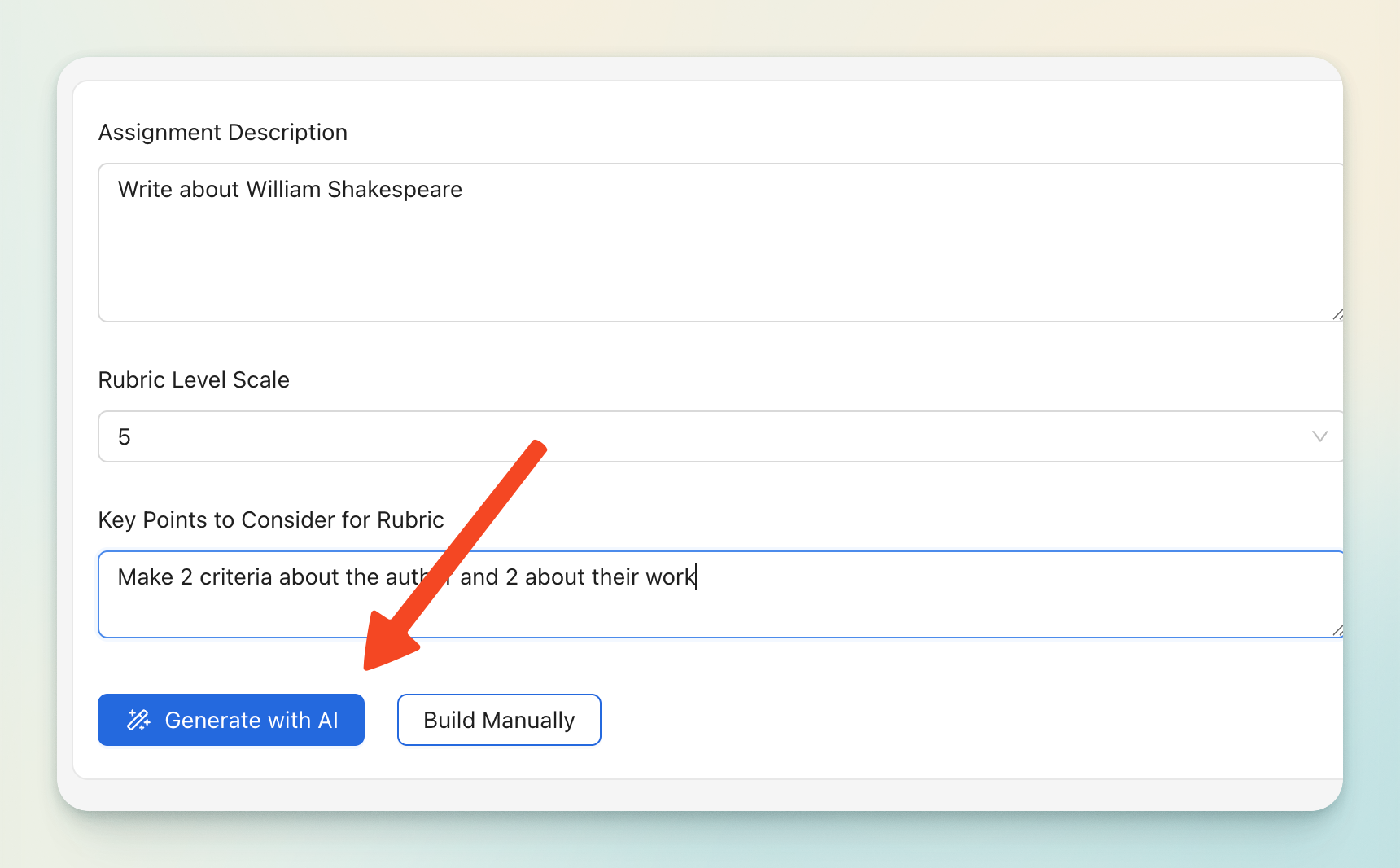
Rumi makes it easy to generate rubrics with AI. The system uses the assignment description as a foundation and allows instructors to specify details such as the number of rubric levels and additional considerations (e.g., focus on structure, creativity, or critical thinking). With this information, Rumi automatically generates a rubric tailored to the assignment, saving time while ensuring alignment with learning goals.
Creating Manually
For instructors who prefer complete control, rubrics can also be built manually by clicking the “Build Manually” button. This option is useful when rubrics must adhere to very specific departmental, course, or institutional standards.
Editing Rubrics
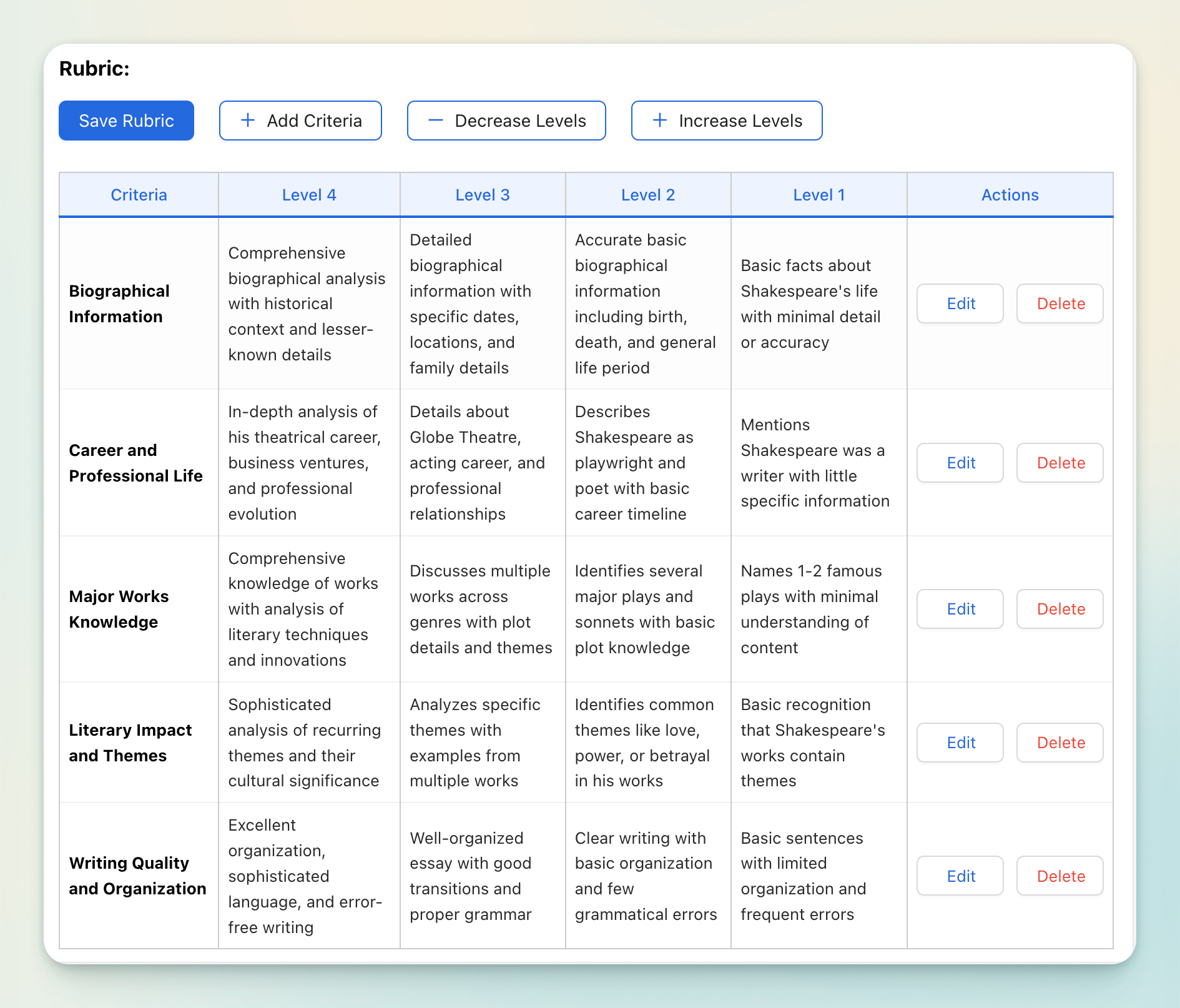
All rubrics in Rumi are fully editable after creation. Instructors can update criteria, add or remove performance levels, or adjust expectations for each level. This flexibility means rubrics can evolve as assignments change or as instructors refine their teaching approaches.
Canvas Features
For institutions that use Canvas, Rumi integrates seamlessly with Canvas rubrics. Instructors can:
- Import rubrics from Canvas into Rumi, making it easy to keep existing structures.
- Export rubrics created in Rumi back into Canvas for grading and record-keeping.
This two-way integration helps align grading data across both platforms, ensuring consistency, saving time, and reducing manual duplication of work.
RumiAssist
RumiAssist gives students personalized feedback by highlighting their strengths and identifying areas for improvement based on the assignment’s rubric. To learn more click here.